Stay Healthy

  1. The STOMACH
    is injured when
    you do not have
    breakfast in the
    morning.
  2. The KIDNEYS
    are injured when
    you do not even
    drink 10 glasses
    of water in 24
    hours.
  3. GALLBLADDR
    is injured when
    you do not even
    sleep until 11
    o’clock and do not
    wake up to the
    sunrise.
  4. The SMALL
    INTESTINE is
    injured when you
    eat cold and stale
    food.
  5. The LARGE
    INTESTINES are
    injured when you
    eat more fried
    and spicy food.
  6. The LUNGS are
    injured when you
    breathe in smoke
    and stay in
    polluted
    environment of
    cigarettes.
  7. The LIVER is
    injured when you
    eat heavy fried
    food, junk, and
    fast food.
  8. The HEART is
    injured when you
    eat your meal with
    more salt and
    cholesterol.
  9. The PANCREAS
    is injured when
    you eat sweet
    things because
    they are tasty and
    freely available.
  10. The Eyes are
    injured when you
    work in the light
    of mobile phone
    and computer
    screen in the
    dark.
  11. The Brain is
    injured when you
    start thinking
    negative
    thoughts.
  12. The SOUL gets
    injured when you
    don’t have family
    and friends to
    care and share
    with you in life
    their love,
    affection,
    happiness,
    sorrow and joy. All these body
    parts are NOT
    available in the
    market. So take good
    care and keep
    your body parts
    healthy.

EFFECT OF WATER
💐 We Know Water is
important but never
knew about the
Special Times one
has to drink it.. !! Did you ???

💦 Drinking Water at the
Right Time ⏰
Maximizes its
effectiveness on the
Human Body; 1⃣ 1 Glass of Water after waking up - 🕕⛅ helps to activate internal organs.. 2⃣ 1 Glass of Water 30 Minutes 🕧 before a Meal - helps digestion.. 3⃣ 1 Glass of Water before taking a Bath 🚿 - helps lower your blood pressure. 4⃣ 1 Glass of Water before going to Bed - 🕙 avoids Stroke or Heart Attack. 'When someone shares something of value with you and you benefit from it, You have a moral obligation to share it with others too.'

So…, DO yours!..
WHAT YOU DIDN’T KNOW ABOUT NEUROTRANSMITTERS

*HOW ARE NEUROTRANSMITTERS REMOVED FROM THE BODY*

Usually after a neurotransmitter molecule has been recognized by a post-synaptic receptor, it is released back into the synaptic cleft. Once in the synapse, it must be quickly removed or chemically inactivated in order to prevent constant stimulation of the post-synaptic cell and an excessive firing of action potentials.

Some neurotransmitters are removed from the synaptic cleft by special transporter proteins on the pre-synaptic membrane. These transporter proteins carry the neurotransmitter back into the pre-synaptic cell, where it is either re-packaged into a vesicle and stored until it is once again needed to transmit a chemical message, or broken down by enzymes. Serotonin is one neurotransmitter that gets recycled in this way. Serotonin, a small-molecule neurotransmitter found in many areas throughout the brain, is involved in a wide range of behaviors, including sleep, appetite, memory, sexual behavior, neuroendocrine function, and mood.

Not all neurotransmitters are recycled by the presynaptic cell. Neuropeptide neurotransmitters merely quickly diffuse away from the receptors into the surrounding medium. One important neurotransmitter, acetylcholine, has a specialized enzyme for inactivation right in the synaptic cleft called acetylcholinesterase (AChE. AChE is an enzyme present at all cholinergic synapses which serves to inactivate acetylcholine by hydrolysis. Acetylcholine (ACh), an excitatory small-molecule neurotransmitter found at various locations throughout the central and peripheral nervous systems and at all neuromuscular junctions, is composed of acetate and choline. AChE breaks ACh into its component parts; acetate and choline. After hydrolysis, acetate quickly diffuses into the surrounding medium, while choline gets taken back into the presynaptic cell by a high affinity choline uptake (HACU) system. Choline is then recycled by the pre-synaptic cell for use in the synthesis of more ACh.

*Bact to the question*

How are neurotransmitter removed or terminated in the body?

There are three mechanisms for the removal of neurotransmitter:  ➡Diffusion

➡Degradation, and

➡Reuptake.

*Diffusion*

Diffusive processes affect all molecules, not just neurotransmitters: all else being equal, an ensemble of particles will, over time, decrease in its order. Having more particles in the cleft than outside is a highly-ordered state, and so the particles move until the concentrations are equal.

When neurotransmitter has diffused away, that information disappears.

For lipid-soluble neurotransmitters, like nitric oxide or the endocannabinoids, this is the only mechanism.

*Degradation*

Neurotransmitters can also be broken down.

The classic example of this mechanism is the breakdown of the neurotransmitter acetylcholine into its constituent parts, acetate and choline, by the enzyme acetylcholinesterase (AChE).

Persons discussing this process are obligated by intergalactic law to mention that acetylcholinesterase is one of the fastest enzymes in the body: when AChE catalyzes the degradation reaction, the rate is limited only by how quickly the substrate can diffuse into and out of the enzyme. The reaction itself takes a negligible amount of time.

Peptide neurotransmitters, or neurotransmitters made of short chains of amino acids, are also broken down outside of the cell. This process, however, is general to all small peptides: from the perspective of the body, loose peptides are to be presumed guilty and shot on sight, since they are likely to be a toxin.

*Reuptake*

Neurotransmitters in the synapse can also be recycled directly.

This mechanism is common to all of the classical “small-molecule” neurotransmitters except acetylcholine, i.e. to all of the neurotransmitters you’re likely to think of off the top of your head.

Examples include:

Glutamate, GABA, Dopamine, Epinephrine and norepinephrine

In each case, the pre-synaptic neuron (or possibly a glial comrade-in-arms) expresses a reuptake transporter, or a protein that pushes the neurotransmitter against its concentration gradient and ferries it across the cell membrane.

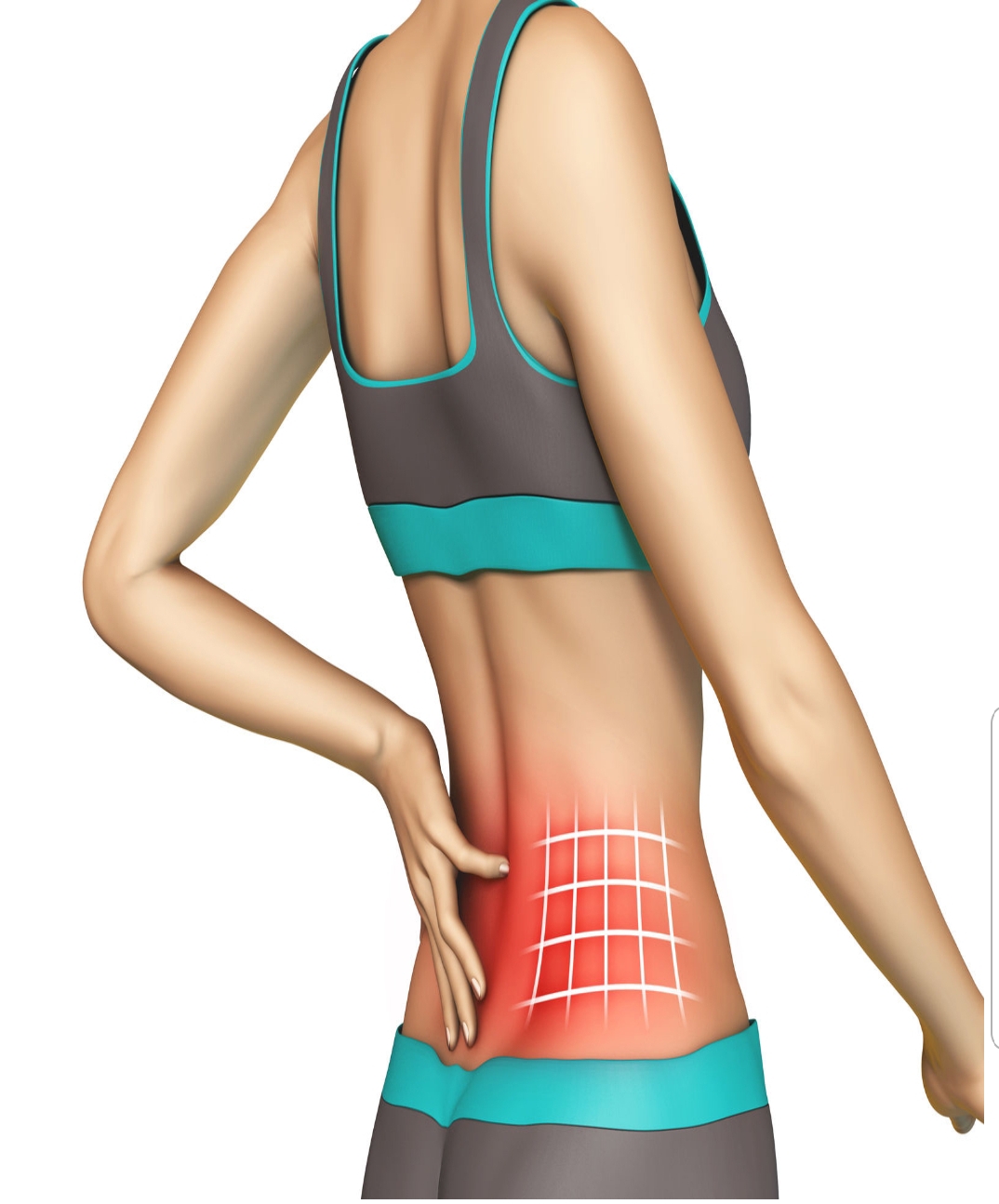
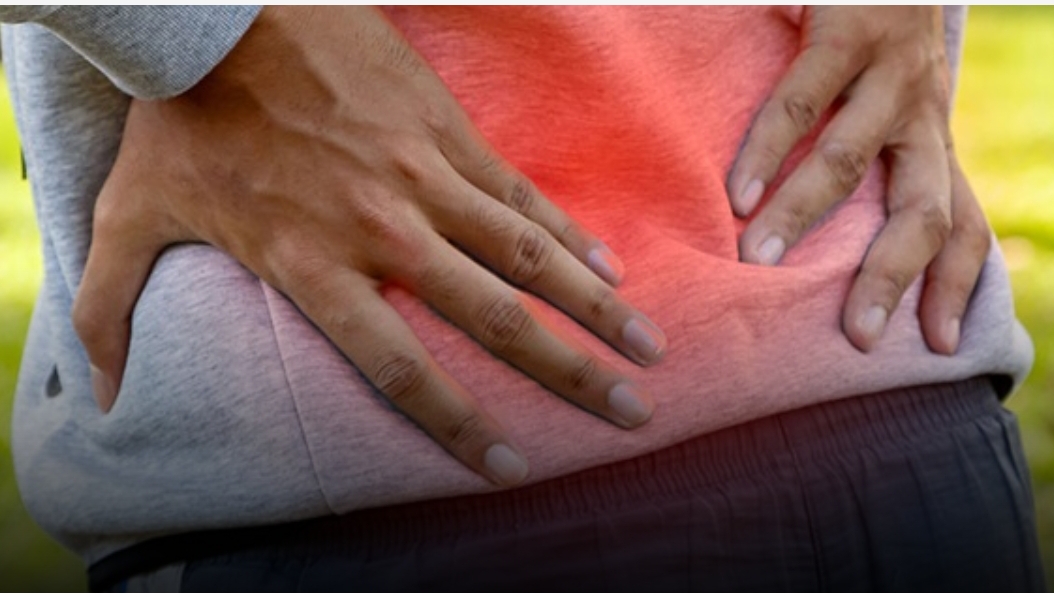
Low back pain, a common issue among individuals.

Lower back or lumbar region pain is one of the major reasons why individuals visit doctors and in certain moments be absent from work. Low back pain is one of the global causes of disability. The lumbar region (low Back) provides support for the upper body weight and provides mobility for daily motions for example twisting and bending. Muscles in the lumbar region are so vital and perform phenomenal purposes for example rotating and flexing the hips whilst walking and providing endorsement to the spinal column. The nerves in the lumbar region supply power as well as sensation towards the muscles of pelvis, legs and feet.

Apparently, acute low back pains originate from muscle injuries, ligament injuries, discs injuries and joint injuries. This cause the body to set up an inflammatory healing response, which could lead to severe pain.

Categories of Low back Pain

-Mechanical Pain: It is the major cause of lumbar pains and axial pain (mechanical Pain). Th e pain initially starts from ligaments, muscles, joints and bones which enclose the spine.

-Radicular Pain: This kind of pain happens when spinal nerve root is impinged or inflamed.

Causes of Back Pains

-Your Job: majority of job comprising of pulling, lifting and twisting the spine may lead to back pains. Sitting on desks throughout the day could cause back pains especially on uncomfortable chair.

-Your posture: bad sitting posture often lead to low back pains; this is why most Moms often say “Stand up straight”.

-Skeletal abnormalities for example scoliosis (spine curvature), excessive outward of the spine (Kyphosis) and Lordosis.

-Spina bifida that comprise of incomplete development of spinal cord.

– Spasms (abrupt muscle contraction of) and sprains (torn Ligament).

-Dangerous traumatic injuries for example motor accidents, football injuries which may lead to ligament, muscle and tendon injuries leading to pain. It can also make the spines and discs to herniate or rapture.

-Spondylosis (general degeneration of spine)

-Arthritis

Compression of the spinal Nerve

-Sciatica as a result of pressing the sciatic nerve.

-Osteoporosis (progressive decline in bone density)

-Infection like Osteomyelitis.

-Herniated or ruptured discs.

-Tumors

-Kidney stones

-Fibromyalgia

-Endometriosis

Risk Factors to low back Pain

-Heavy weight: Obesity, over weight have higher risks to low back pain as the more weight is exerted on the lumbar region.

-Genetics: some causes are genetical like ankylosing spondylitis.

-Fitness: people who are not physically fit are at chances of developing low back pain.

-Age: Often happens amid 30 to 50 years of age.

-Jog corelated factors.

Remedies

-Medication (from the doctor)

-Heat and ice: This assist to soothe pain, decrease inflammation and others.

-Gentle stretching with advice from medical personnel of physiotherapist.

-Massage

Prevention of Low back pains

-Often physical exercise to maintain the flexibility of muscles and keep them strong.

-Keeping on a healthy weight and feeding on a balanced diet. Vitamin D, calcium or phosphorus should be essential as they help in bone growth.

-Sitting on comfortable, good and suitable furniture.

-Often changing sitting positions especially in offices, have some time to walk.

-Wear comfortable and low-heeled shoes.

-Better sleeping postures

-Avoid carrying heavy objects

-avoid smoking.

Did you know that cancer is beatable?

Cancer is a group of over 100 diverse diseases which involves abnormal cell growth with a possibility to penetrate or disseminate to other parts of the body.

How it starts: The functional units of life are often called cells. The cells often have the ability to grow and divide to create other new cells required by the body. Often, the cell dies if too old or damaged, which are then substituted by new cells. Cancer starts when genetic alterations interfere with this systematic process. Cells begin to grow in a disorganized manner. The cells can form a mass named tumor. This tumor may either be benign or cancerous. The cancerous tumor has the ability to grow and disseminate to different part of the body. The benign tumor can grow but has no ability to spread.  

Possible Manifestations of cancer

-Lump     -unexplained weight loss

-Alterations in bowel movement     -Abnormal Bleeding

A simple method to understand the signs and symptoms better.

C: Change in bowel or bladder habits

A: A sore that does not heal

U: Unusual bleeding or discharge

T: Thickening or lump in the breast or elsewhere

I: Indigestion or difficulty in swallowing

O: Obvious change in a wart or mole

N: Nagging cough or hoarseness

Leading causes of Cancer

-Tobacco use    -Improper diet

-Obesity            -absence of physical activity

-Too much consumption of alcohol

-Specific infections

-Frequent exposure to ionizing radiation -Dangerous environmental pollutants

Major Lethal Kinds of Cancer

-Lung and bronchial cancer      -Colon and rectal cancer

-Breast cancer                             -Pancreatic cancer

-Prostate cancer                        -Leukemia

-Non-Hodgkin lymphoma        -Liver and intrahepatic bile duct cancer

-Esophageal cancer                   -Ovarian cancer

Important ways of preventing cancer

-Avoid tobacco as much as possible in all its forms as well as exposure to secondhand smoke

-Suitable and proper diet. Lessen the behavior of feeding on red meat and saturated fat, that can raise the risks of getting prostate cancer and colon cancer. Often eat fruits, whole grains and vegetables.

-Often exercise. This lessens the risks of breast cancer in women, colon cancer, reproductive cancers and protects an individual if he or she does not lose weight.

-Be lean. Apparently, obesity is among the major causes of cancer. Burn these calories through exercise. You can slim down by taking less calories.

-Reduce on excess consumption of alcohol and liquor. Excess alcohol raises risks of liver, colon, mouth, larynx and esophagus cancer. It also puts a risk of women breast cancer.

-Prevent redundant exposure to radiation. Like Ultraviolet radiation from sunlight.

Prevent from exposure to environmental and industrial toxins for example aromatic amines, asbestos fibers, polychlorinated biphenyls and benzenes in general.

-Prevent from lethal infections which increase risks of cancer, for example human papillomavirus, hepatitis virus and HIV.

-Always have sufficient sleep. Inadequate and improper sleep could lead weight gain that raises the risks of cancer.

-Attain sufficient amounts of Vitamin D (800-1000 IU) per day. Vitamin D assists in decreasing on risks of colon cancer, prostate cancer and different malignancies.

Thank you for reading, follow the blog, comment, like and share. Don’t forget to visit again for more updates.   

How vital is Echinacea?

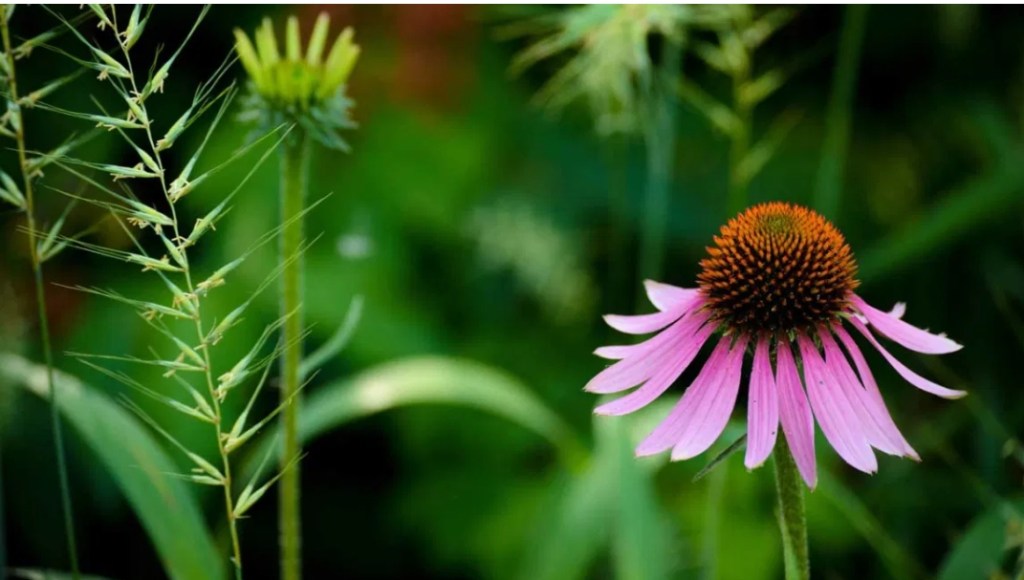
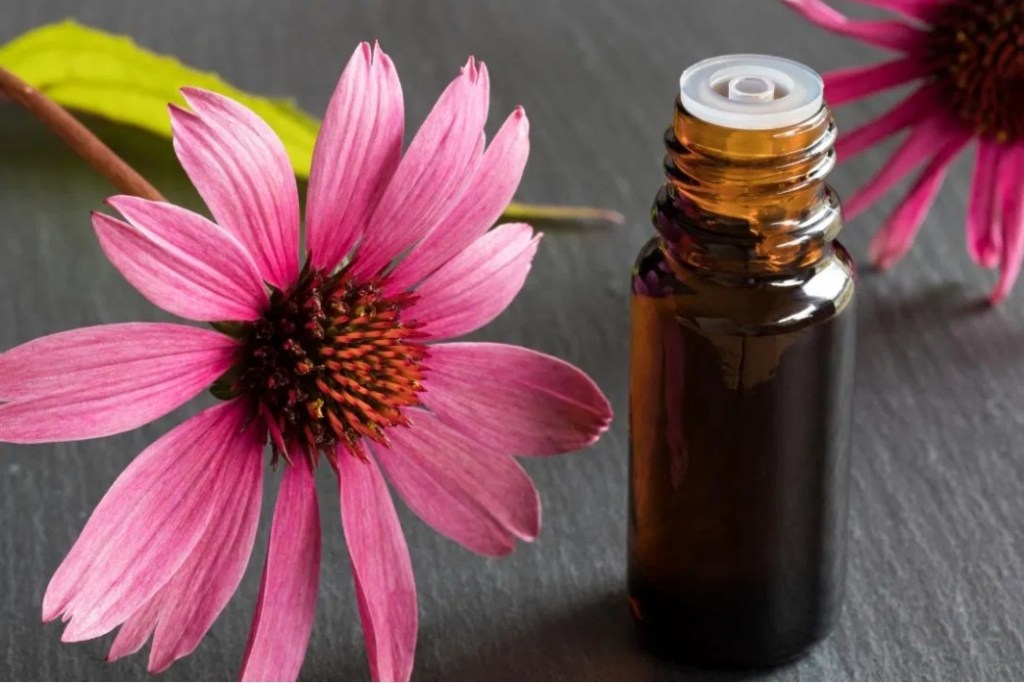
The echinacea is a collective name of flowering plants Echinacea which are native to North America. The plant is sometimes called coneflower and it is a supplement which is widely known for aiming on the immune system and assisting to prevent colds. The Echinacea plants was mostly utilized by Native Americans like the plain Indians in treatment of many ailments for example wounds, snake bites, upset stomach, burns sore throat and toothaches.   Almost all parts of the echinacea plants have a medical significance for example roots, leaves and petals.

Description of Echinacea Plant

The echinacea plant has tall stems, single purple or pink flowers as well as a central cone which is often brown or purple in color. The big cone is specifically the seed head with pointed spines which is similar to stiff comb. There are specifically nine species of echinacea plant but three of the nine are popularly used for medical significance that are ingredients in herbal remedies. These include:

-E. purpurea, with purple petals

-E. angustifolia, with narrow petals and,

-E. pallida, with pale petals.

Importance of Echinacea

The plant is often taken inform of tea or supplements. Though, it can be used topically. Currently, the plant is utilized for treatment and prevention of common colds. However, there no vivid science behind this.

-Echinacea plant provides a positive effect towards the immune system of the body. Research has discovered that the plant can assist the immune system to fight certain infections and viruses which assist the body to recover quickly from illness. This why it is usually utilized for treatment and prevention of common colds.

-It assists to lower the blood sugar levels. This probably prevents other kinds of issues from arising for example heart diseases and diabetes type 2.

-It assists in decreasing anxiety feelings; Anxiety is among the popular mental health issues in the world, but in the previous years, the coneflower plant has turned to be as a capable aid towards anxiety.

-Echinacea has Anti-inflammatory characteristic; Inflammation is among the ways the human body promotes healing and guarding itself naturally. Echinacea plant has been demonstrated in assisting to decrease excess inflammation.

-Echinacea has been demonstrated to be vital in treatment of common skin issues. Skin products which contain echinacea extracts play an important role in skin hydration and providing a protective skin layer.

-Echinacea delivers protection towards cancer.

Uses

Echinacea Products are utilized by people globally in order to endorse the treatment of variety of illness for example coughs and colds, influenza, yeast infections, upper respiratory infections, ear infections, gingivitis, vaginitis, bronchitis, canker sores, certain inflammatory stipulations, wound healing AIDs and HIV.

Though, less scientific endorsement is delivered about use of Echinacea within any treatment.

Side effects

Coneflower products can be of greater significance for a short-term use. Side effects of this plant commonly occurs in people with allergies towards other flowers. These side effects include; stomach pain, rashes, swelling, nausea, shortness of breath, hives and itchy skin.

Thank you for reading, follow our page and do not forget to comment and like.